

CGM Group UK was appointed to develop a site-specific Battery Safety Management Plan (BSMP) for a 10 MW lithium-ion Battery Energy Storage System located adjacent to an existing electrical substation in the UK. The developer required a structured safety framework to satisfy planning conditions, support engagement with the local fire and rescue service, and provide insurers with clear evidence of risk management prior to energisation.
The work began with a technical review of the system architecture, battery chemistry data, thermal management design, and the overall site layout. From this, a structured hazard identification was undertaken covering the full lifecycle of the asset, including construction, commissioning, operation, degradation, and eventual decommissioning. Credible fault scenarios were identified such as thermal runaway, module-level propagation, flammable gas accumulation, external fire exposure, and electrical fault escalation.
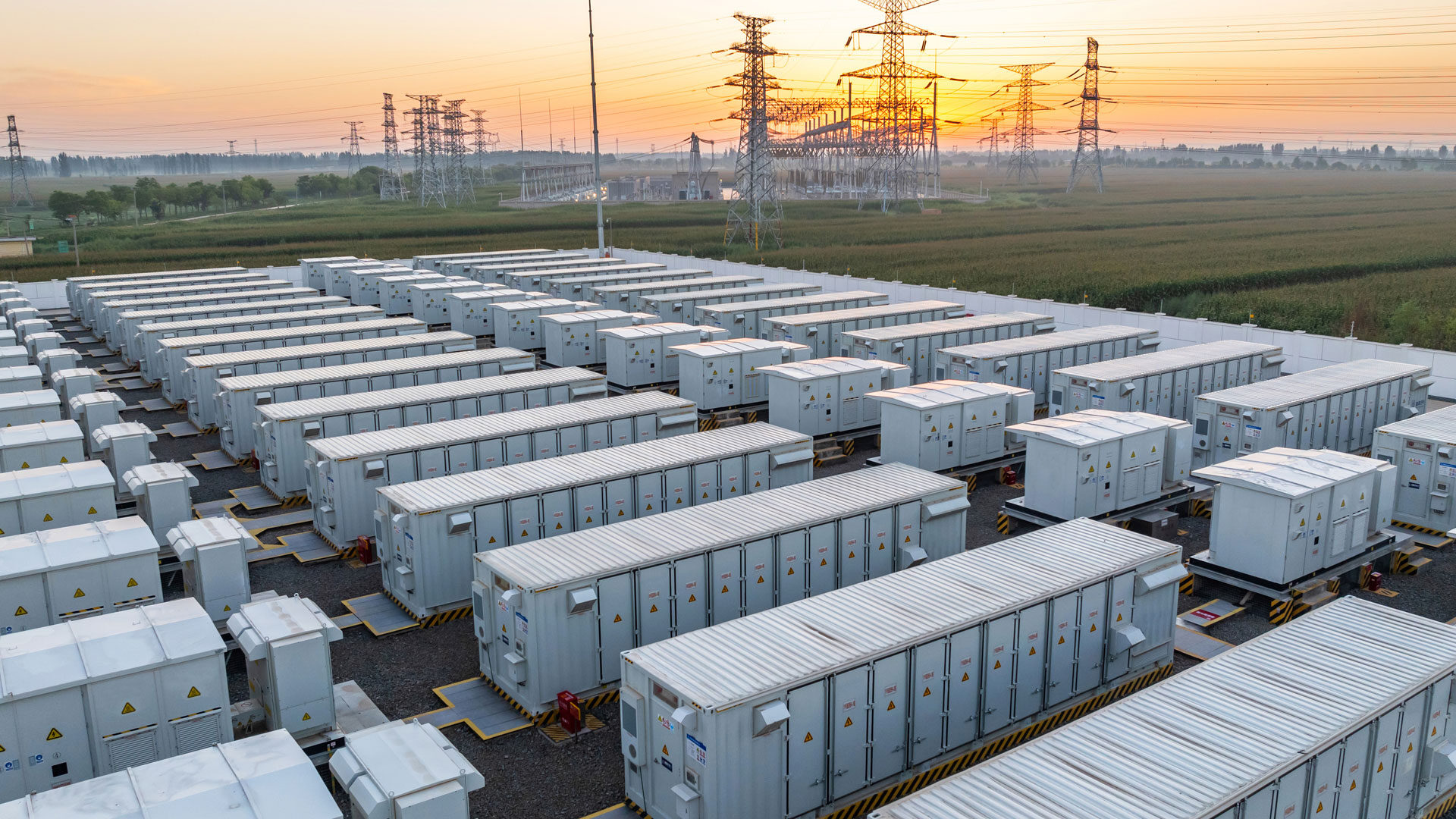
For each scenario, preventative and mitigating controls were mapped across system layers including battery management system protections, rack-level monitoring, container-level detection and suppression arrangements, and site-level emergency response procedures. The control strategy was reviewed against relevant industry guidance, including recognised battery safety and emergency response frameworks.
The Safety Management Plan defined clear roles and responsibilities for the asset owner, operations and maintenance provider, and emergency responders. It also included site-specific response procedures, annotated site plans identifying access routes and isolation points, and a structured training and exercise programme to support operational preparedness.
The final plan was reviewed with the developer, contractor teams, and emergency service representatives to ensure practicality and clarity. The document was structured as a living framework with defined review triggers to ensure the plan remains current throughout the operational life of the asset.